Ask three pool stores which sanitizing system is best and you'll get three answers, each suspiciously aligned with what that store sells. We service hundreds of pools on every system, and after 18 years the honest answer is: they all keep water safe, and they differ in everything else — feel, maintenance rhythm, and what they quietly do to your equipment.
Here's the comparison we give our own clients, with no commission attached.
Traditional chlorine: the honest workhorse
Tablets or liquid chlorine is the baseline everything else is compared against. It's the cheapest to start, the fastest to correct, and the most forgiving of neglect — a missed week is a shock dose away from recovery. The costs are real but modest: the chlorine smell people associate with 'pool' is actually chloramines, a sign of under-maintained chlorine, and tablet systems push cyanuric acid upward forever, demanding partial drains every few years.
Best for: owners who want the lowest equipment cost and don't mind a weekly testing habit — or who hand that habit to a service like ours.
Salt: the comfort upgrade
A saltwater pool is a chlorine pool — the cell makes chlorine from salt on demand. What changes is the experience: softer-feeling water, no chlorine handling, no tablet floats, and steadier sanitation because dosing is continuous rather than weekly. Swimmers with sensitive skin almost always prefer it.
The trade-offs hide in the hardware. Cells cost several hundred dollars and last three to seven years, less if pH drifts high and scale builds. Salt is mildly corrosive to some coping stones, heaters need proper bonding, and the system's 'set it and forget it' reputation is a lie — salt pools still need weekly testing, because a scaled or failing cell quietly drops output to zero while the control panel glows reassuringly green.
Best for: families who swim daily and value water feel, and who'll still test weekly or have it done.
Mineral systems: the middle path
Mineral systems (copper/silver cartridges, sometimes paired with low-output salt) reduce chlorine demand — they don't eliminate it. Water feels excellent and chlorine use drops meaningfully, which swimmers notice as less dryness and smell. The cartridges are an ongoing consumable cost, and copper is a staining risk if pH is neglected; we've polished more than one mysterious teal stain off plaster that traced back to a mineral cartridge run at low pH.
Best for: owners who want softer water without salt's equipment corrosion, and who are disciplined about pH.
So what do we recommend?
For a new build with daily swimmers: salt, with a proper sacrificial anode and a calendar reminder to inspect the cell. For an existing pool with healthy equipment: traditional chlorine, well-managed — it remains the best value in the industry. For sensitive skin without a full equipment changeover: mineral.
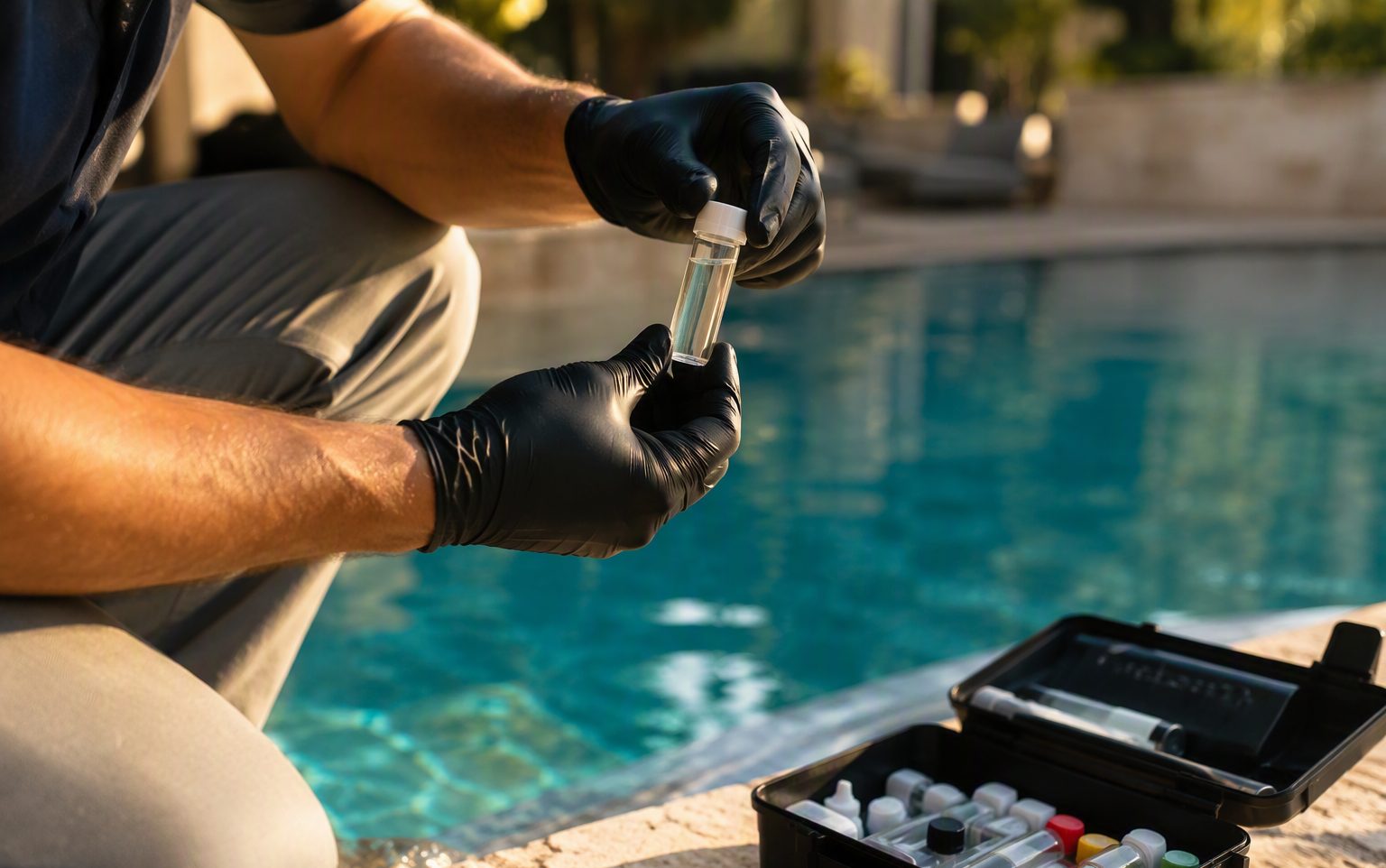
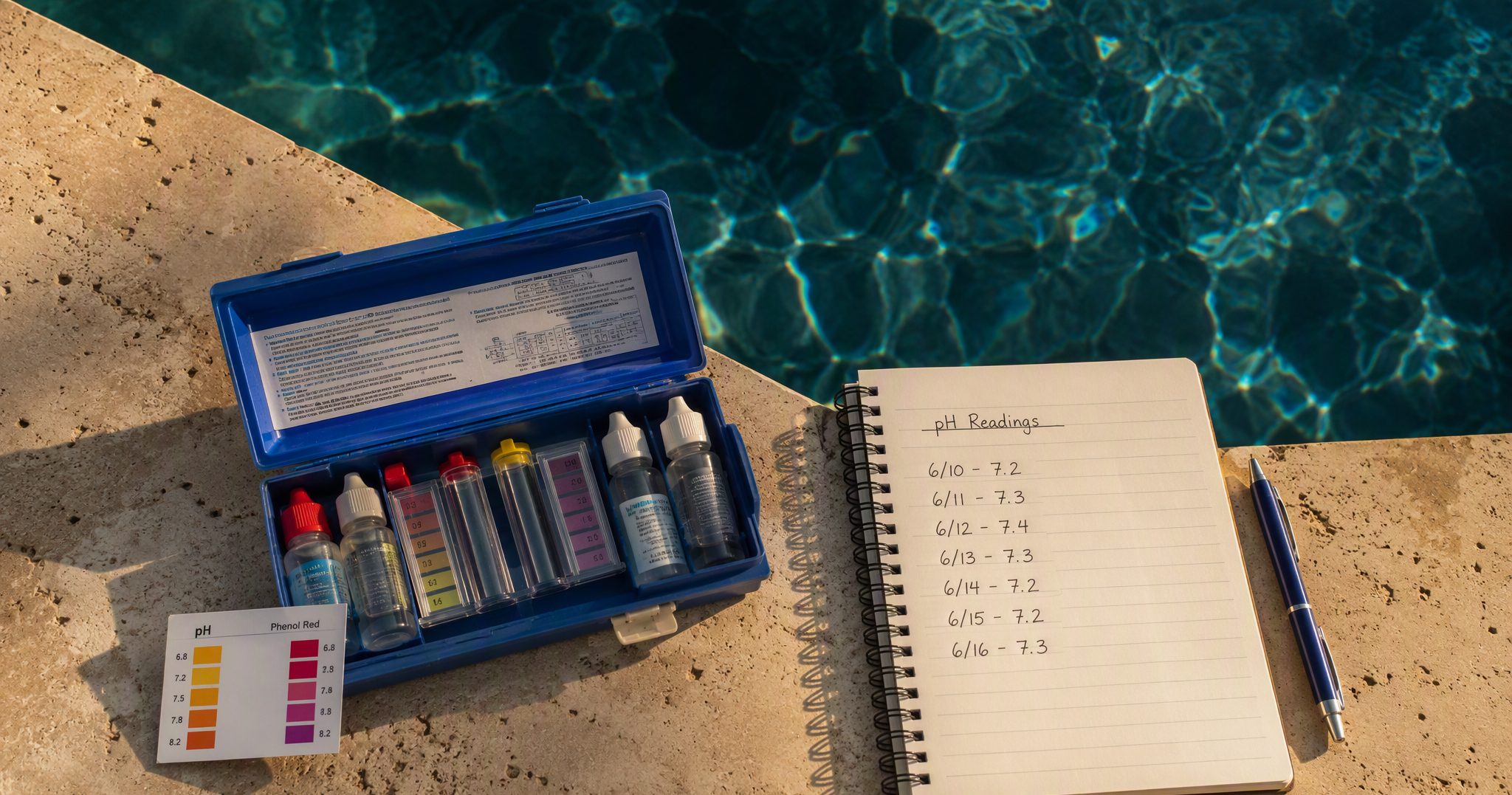
But the real answer after 18 years is that the system matters less than the consistency. A 'lesser' system tested weekly beats a premium system checked monthly, every single time. Water doesn't care what you bought; it cares what you measured.